
Thomas More’s Conscience and Fall
Wolf HallThis thread follows More’s refusal to endorse royal supremacy, his imprisonment, and the collision between his conscience and Cromwell’s political programme.
increasing Bearing strength in each event
 decreasing
Bearing strength in each eventdecreasingA Chancellor Against the Divorce
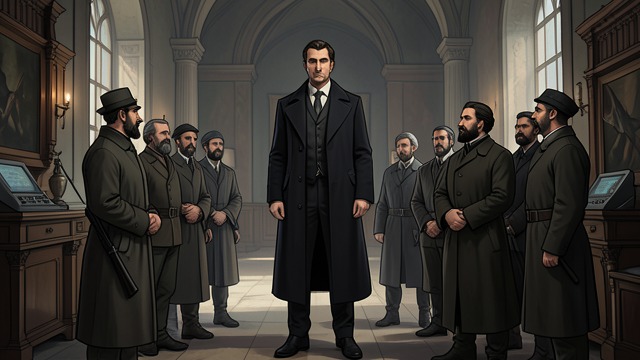
A Principle Hardened
Office and opposition
Thomas More becomes Lord Chancellor after Wolsey’s fall but opposes Henry’s marriage policy. He tries to keep out of the dispute, yet his office and religious convictions draw him into conflict.
A changing relationship
Cromwell respects More’s intellect while criticizing his persecution of reformers. Their exchanges become increasingly personal as the state’s demands grow more explicit.
Silence Under Oath
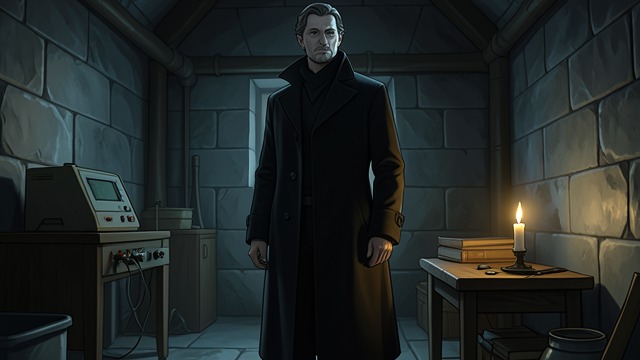
Conscience in the Tower
Refusal
More refuses the oath required by the Act of Succession and later will not affirm royal supremacy. He avoids stating his full reasons, hoping silence can preserve both conscience and legal safety.
Imprisonment
He is confined in the Tower of London, loses visitors and walks, and lives with the prospect of trial. Cromwell keeps offering a way back through words More cannot honestly say.
Trial and Execution
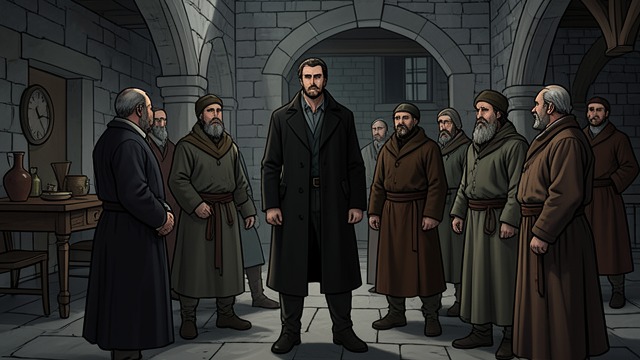
The Cost of Refusal
A treason case
At trial, Richard Riche testifies that More denied Parliament’s power to define the king’s ecclesiastical authority. More argues that a spiritual jurisdiction lies beyond the realm’s legislation.
A final refusal
The jury convicts him, and he is executed. Cromwell’s respect and pity cannot overcome his commitment to enforcing the king’s law.
1529–1532
1534
July 1535
